

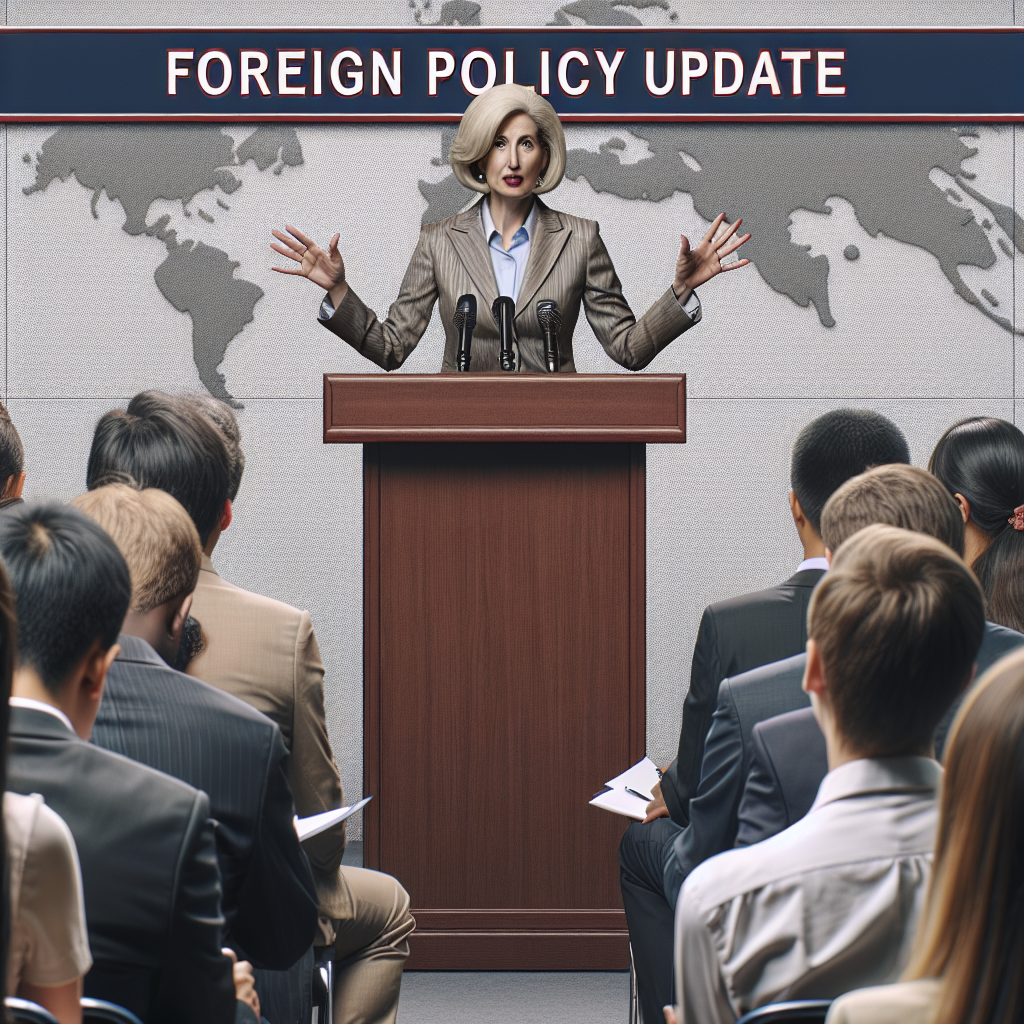
In recent months, the United States has faced a series of complex foreign policy challenges that have significant domestic repercussions. Understanding these developments is crucial for comprehending their impact on our nation.
Escalating Tensions with Iran
The U.S. administration has been navigating a delicate situation with Iran. Despite initial declarations of conflict resolution, the region remains unstable, leading to increased gas prices and economic strain domestically. The administration’s approach has drawn criticism from various quarters, with concerns about the effectiveness of current strategies and their long-term implications. Source
Domestic Policy and Legal Challenges
On the home front, the administration has encountered legal setbacks, including a Supreme Court decision overturning a key economic policy. This ruling has necessitated substantial tariff reimbursements, further exacerbating the national debt. Additionally, controversies surrounding immigration enforcement and redistricting efforts have sparked civil unrest and raised questions about the administration’s domestic policies. Source
Economic Implications
The interplay between foreign policy decisions and domestic economic conditions is evident. The ongoing tensions with Iran have contributed to rising gas prices, impacting consumers nationwide. Moreover, the need for tariff reimbursements following the Supreme Court’s ruling places additional pressure on the national budget, raising concerns about fiscal sustainability. Source
As these developments unfold, it is essential for citizens to stay informed and engaged. The decisions made on the international stage have tangible effects on our daily lives, from economic conditions to social cohesion. By understanding the complexities of U.S. foreign policy and its domestic implications, we can better navigate the challenges ahead.